Why we built Emoti
Recruiters spend most of a week on legwork: searching, writing, scheduling, re-reading notes. The decisions that matter, who to talk to and who to hire, get the time that is left.
Emoti takes the legwork. It finds people, writes to them, runs the first screen and keeps the notes, and it shows its evidence at every step so the people who decide can check it.
Hiring has always been legwork
Finding people, reaching them, seeing who comes forward and writing it all down. The same four jobs filled offices for a century. Emoti does them so the people doing the hiring can spend their time on judgment.
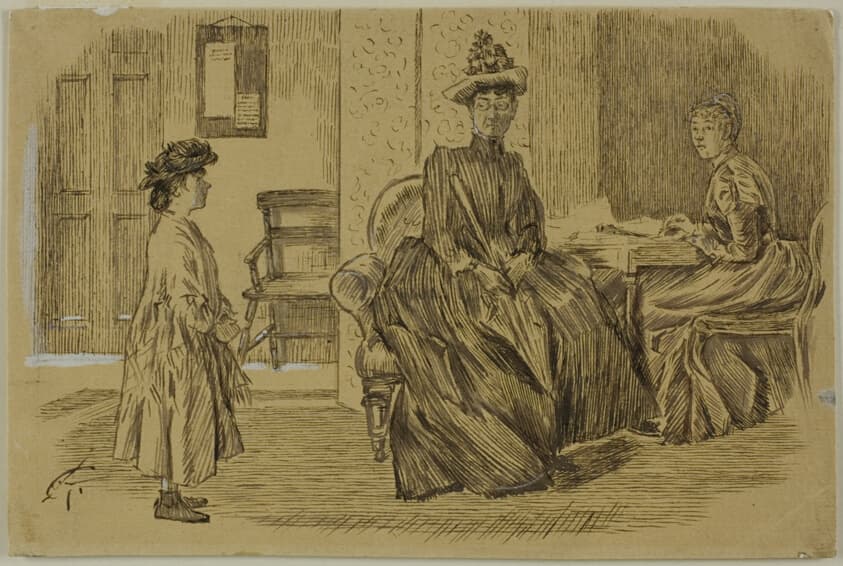
At the Employment Office, a drawing by Charles Keene, 1870–91. 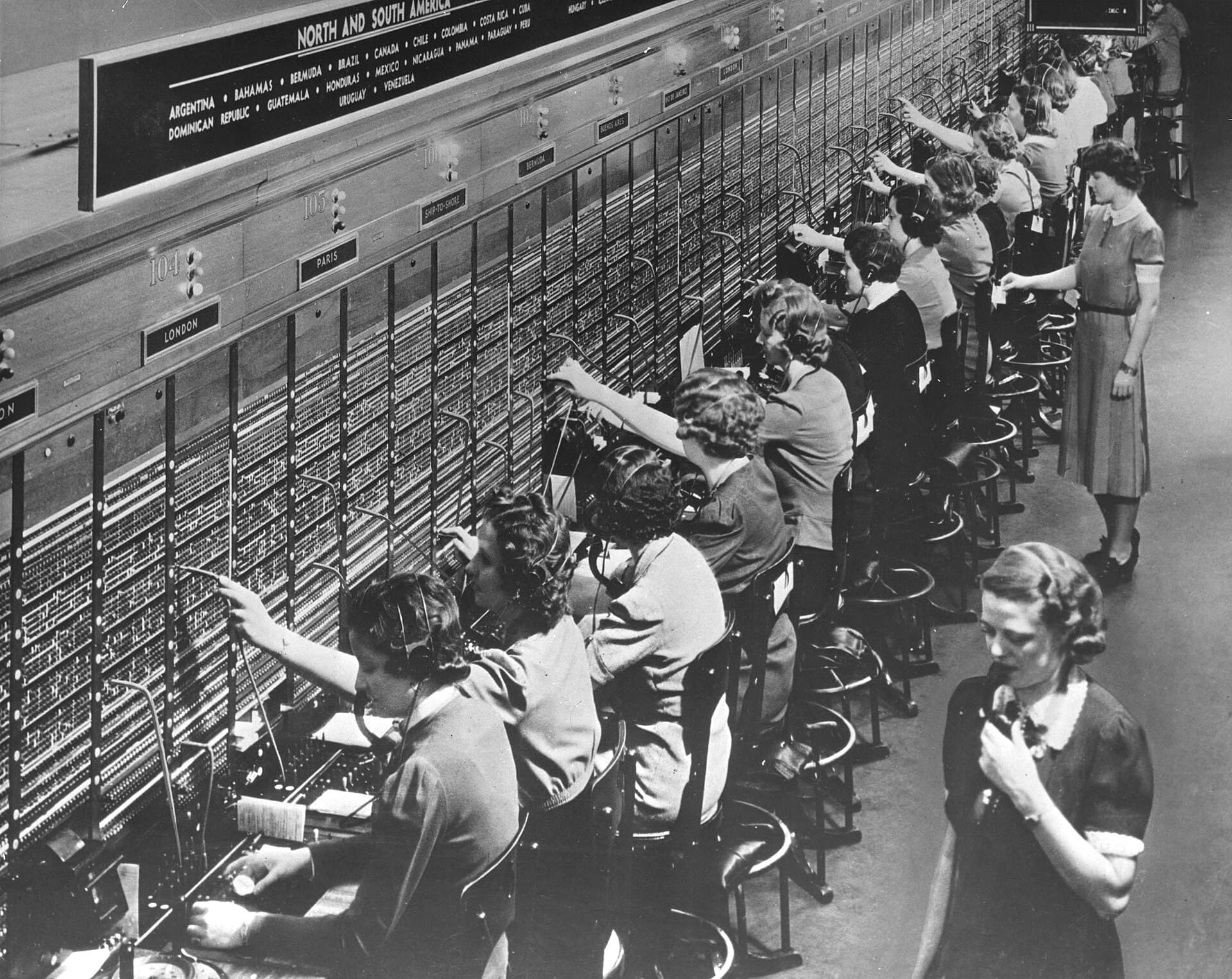
Operators connecting calls at a Bell System switchboard. 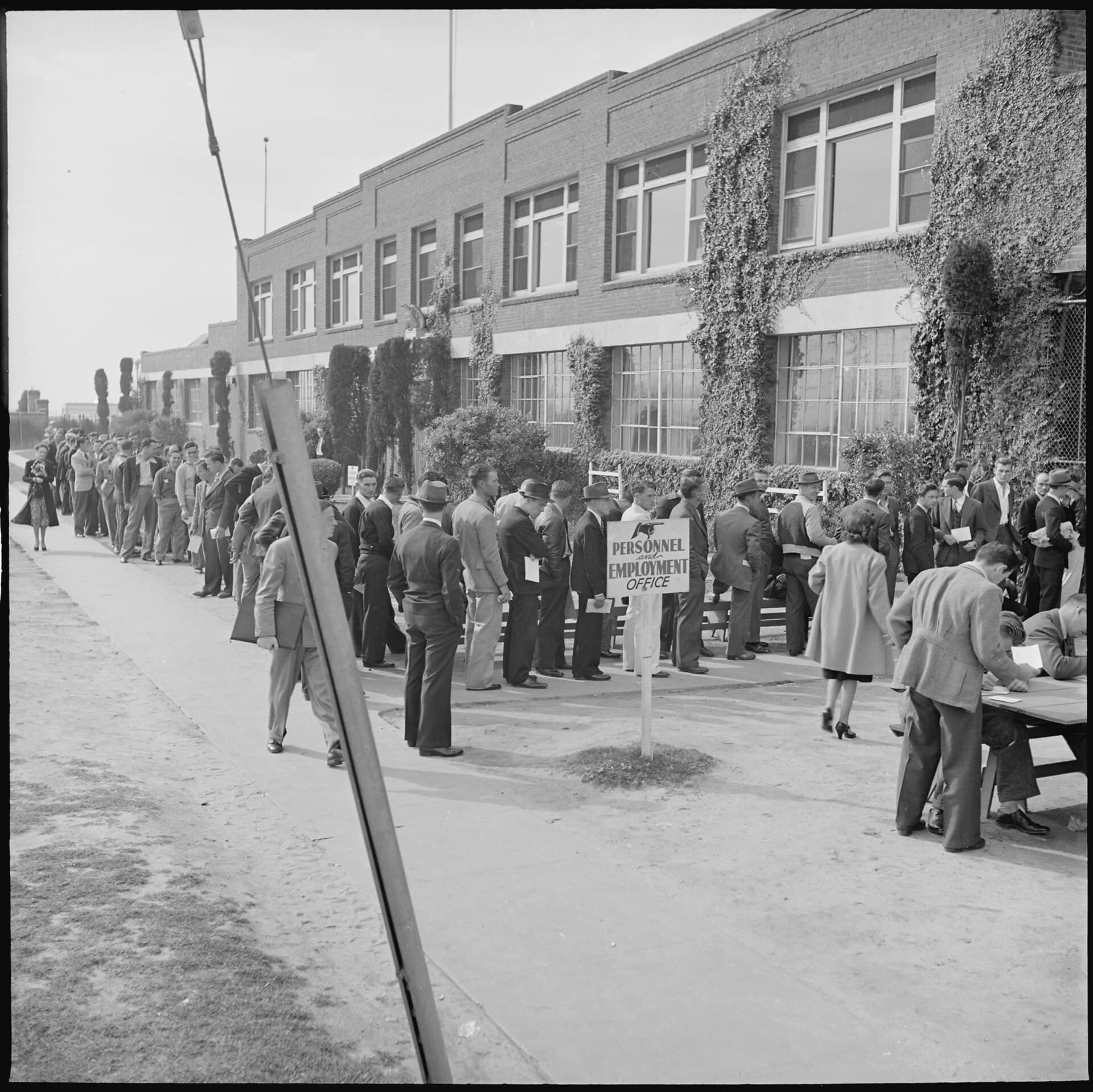
Applicants queueing at the Lockheed personnel office, Los Angeles, 1940. 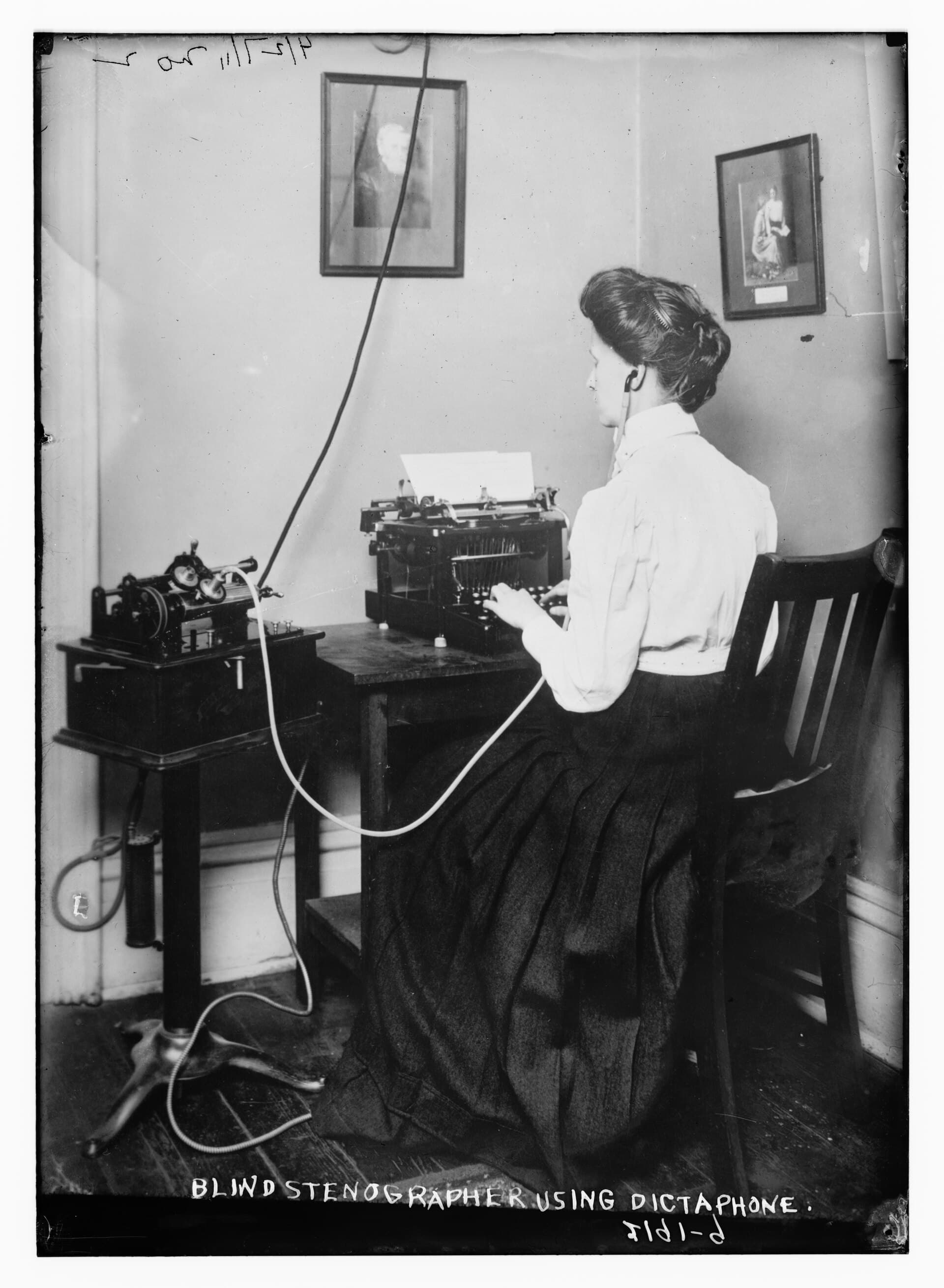
A stenographer typing up a dictaphone recording, 1911.
What we hold to
People make the decisions
Emoti ranks, drafts and summarises. It never rejects a candidate, never moves anyone forward on its own, and never sends a message nobody approved.
Every claim shows its evidence
A score comes with the profile line it rests on. A note comes with the minute it was said. If the evidence is thin, Emoti says unknown instead of guessing.
Candidates are told
Voice screens say they are run by an AI before the first question. Calls with a notetaker say so when it joins. Candidates can ask for a person.
Nothing is personal that should not be
First lines come from work people chose to make public. Emoti does not use personal details, and it does not score how someone sounds.
The methods are published
How matching, screening, notes and outreach work is written up in full, with what has not been measured yet.
What Emoti is not
It is not a filter that quietly drops people. Everyone ranked can be seen, with the reasons.
It is not a single fit score. The strip of evidence behind the number is the point.
It is not a replacement for the recruiter. It is the part of the job nobody went into recruiting to do.